Skip to content
WILD KARAKORAM

Trophy hunting, on permit, above four thousand metres

Four species on licence across the Gilgit-Baltistan conservancies, hunted in winter under the community programme that pays the villages protecting them.

Quota set by survey, permit sold at auction, eighty per cent to the village

  1. 1

    How a permit is issued

    The Gilgit-Baltistan Wildlife Department sets a quota for each conservancy every season, based on the previous year's population survey. Permits are then auctioned. There is no route to a trophy animal outside that process, and we will not pretend otherwise.

  2. 2

    Where the fee goes

    Eighty per cent of the permit fee is paid directly to the community conservancy. It funds village watchers, school and clinic costs, and compensation for livestock losses to snow leopard and wolf. The remaining twenty per cent goes to the provincial wildlife fund.

  3. 3

    What you leave with

    A measured trophy recorded by the attending wildlife officer, a veterinary health certificate, and CITES export documentation where the species requires it. We lodge the paperwork before you fly and ship once it clears.

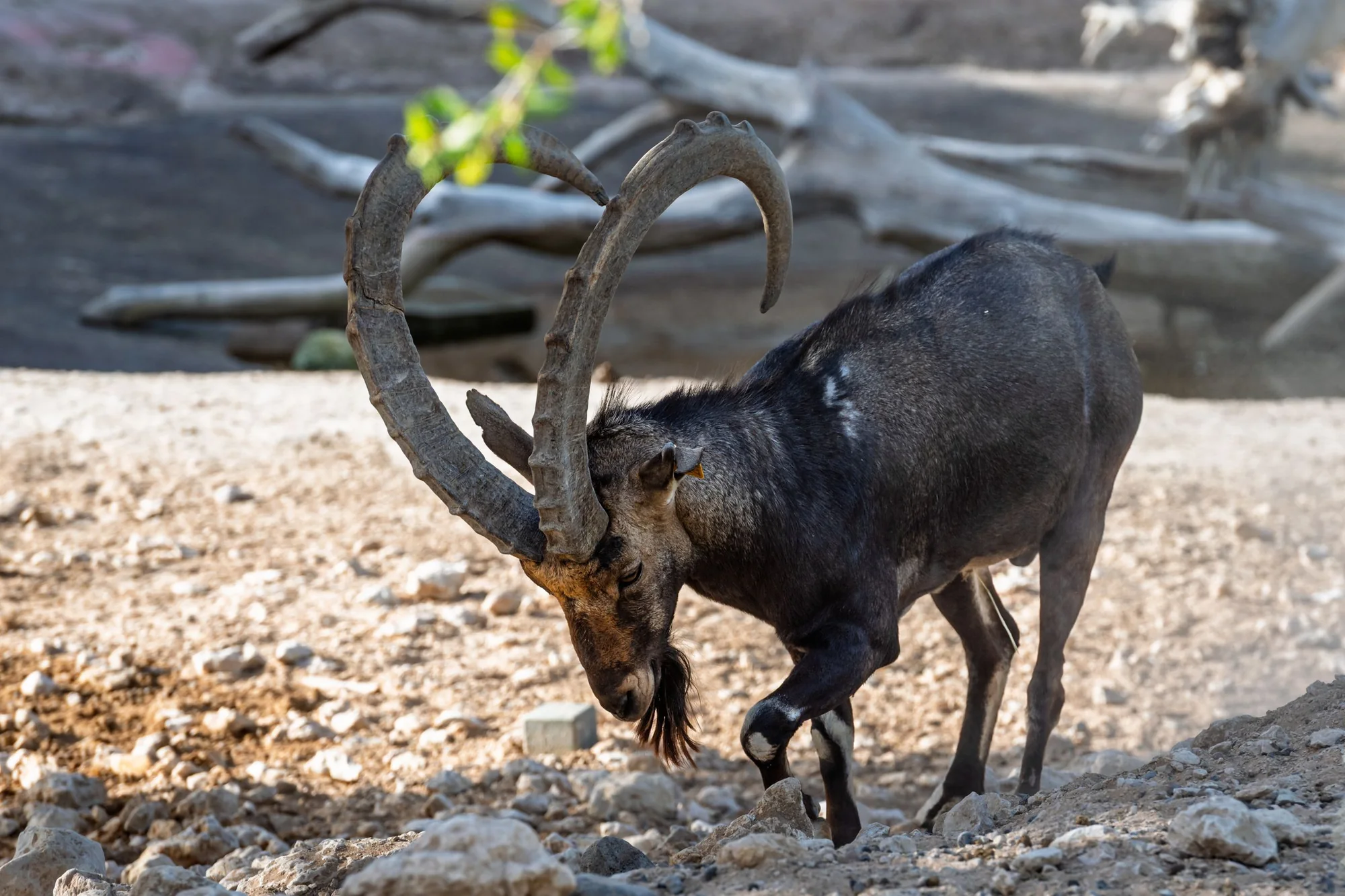
The markhor was heading toward collapse before the conservancies gave the villages sharing its range a reason to protect it.

It is Pakistan’s national animal. Its recovery is the strongest argument this programme has, and the reason we work inside it.

Four animals, four kinds of winter

Astore Markhor

CITES Appendix I, exported under Pakistan's annual quota

Astore Markhor

Capra falconeri falconeri

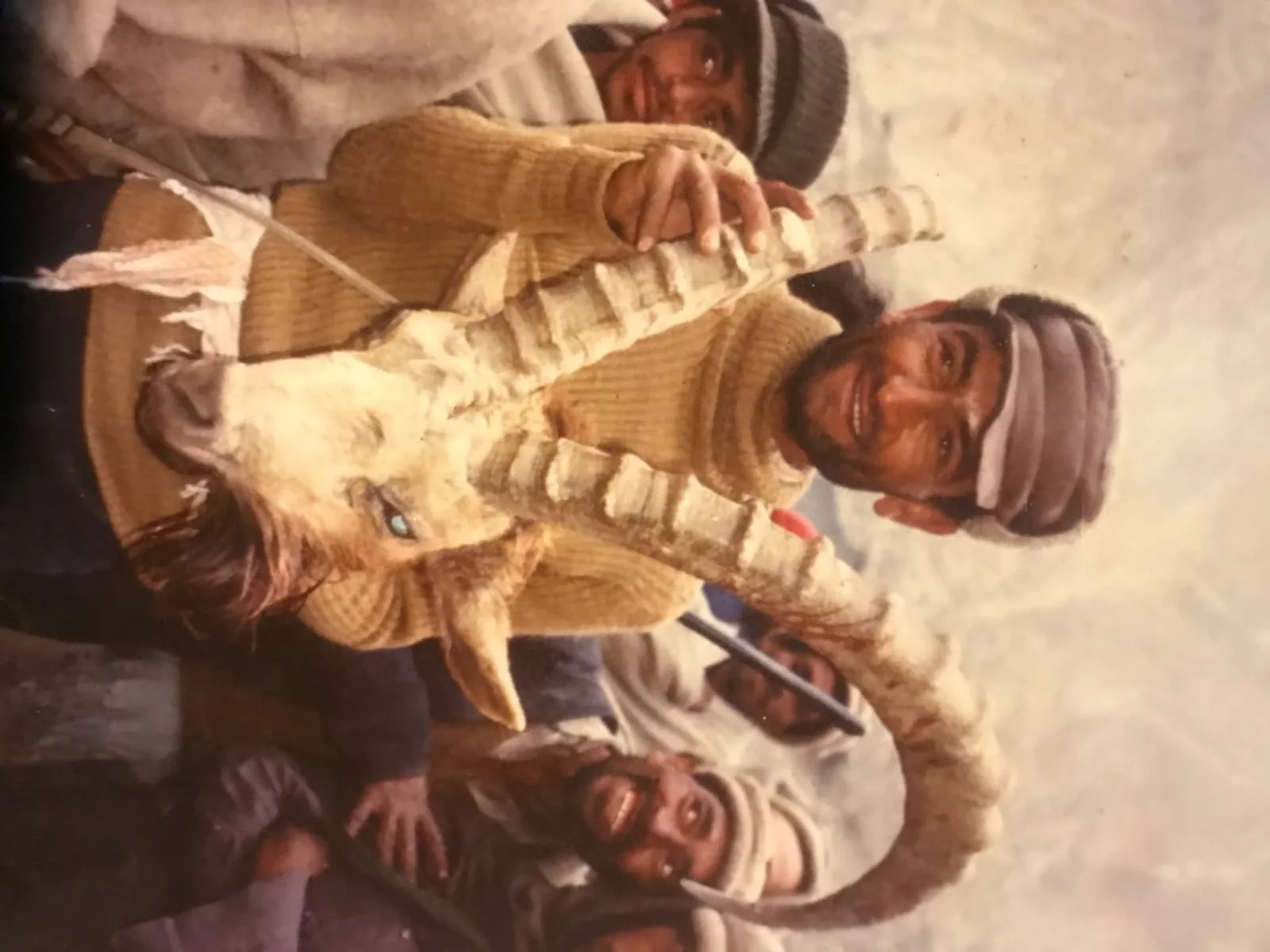
Pakistan's national animal and the species the conservancy programme was built around. A very small number of permits are auctioned each season by the Gilgit-Baltistan Wildlife Department.

The season runs November to April, between 3,000 to 4,200 m, across Astore and Diamer conservancies. Trophy: flare horned, 100 cm and up on a mature billy.

See the hunt
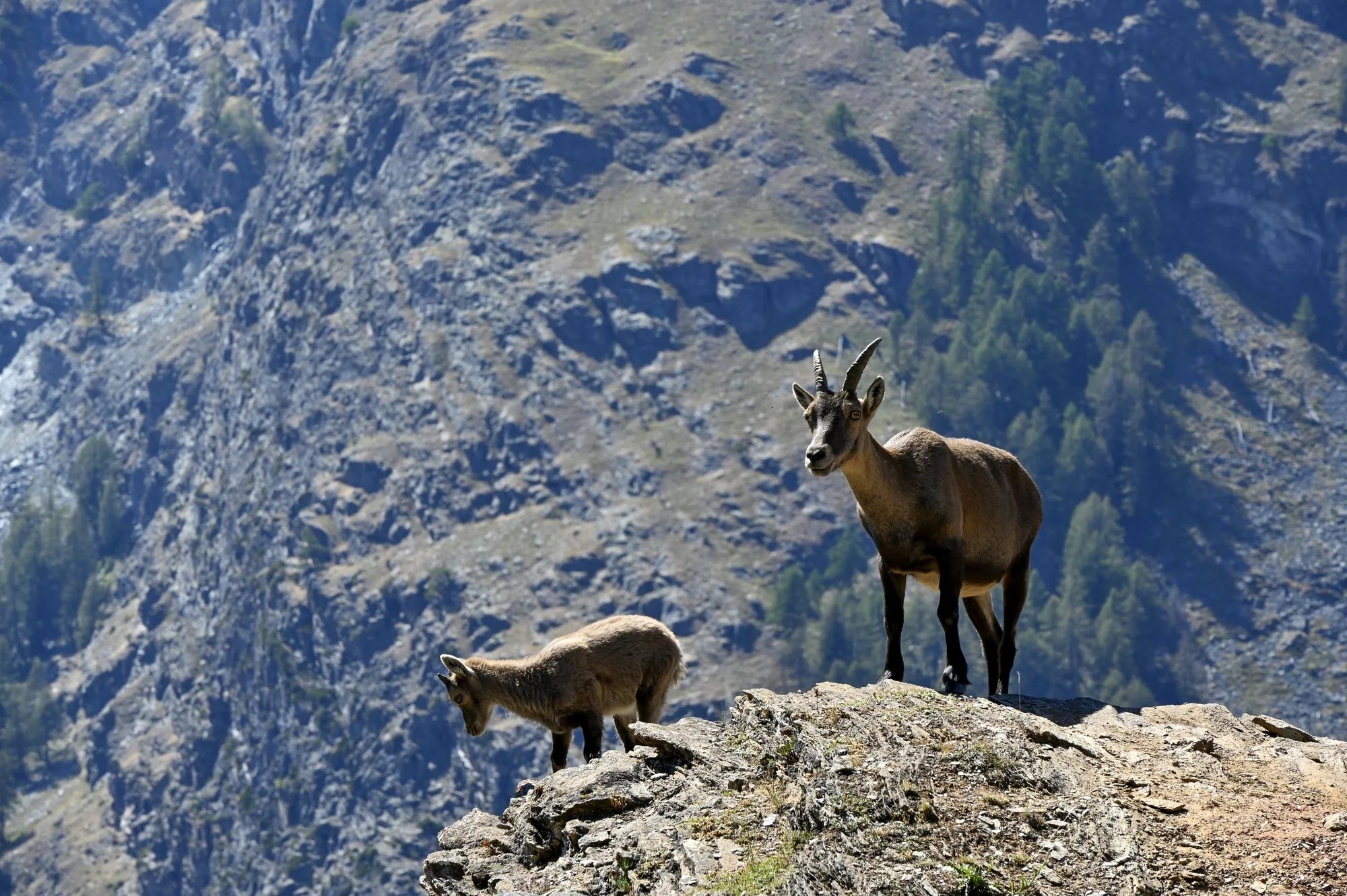
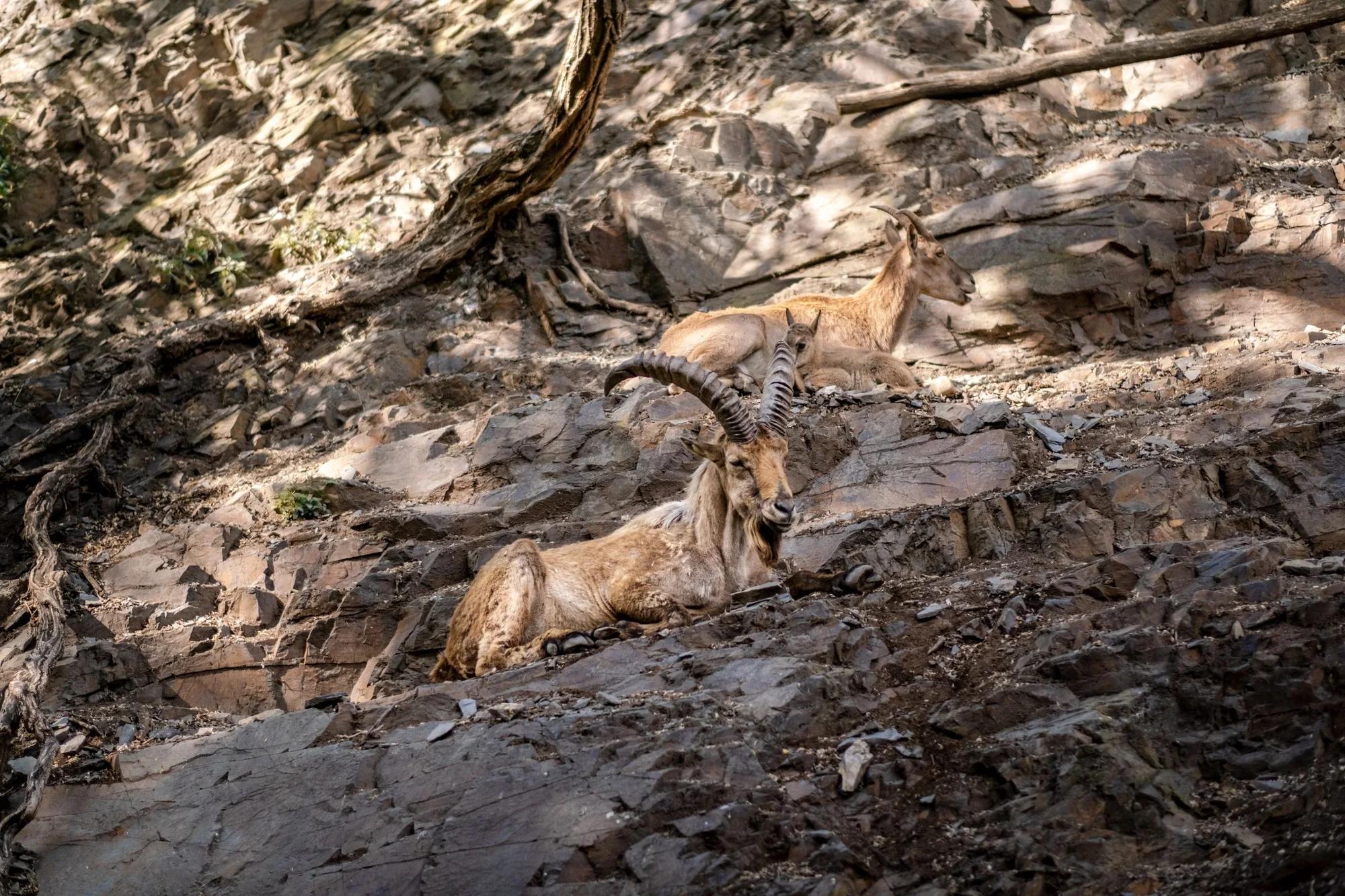
Himalayan Ibex

Not CITES listed, permit issued by conservancy

Himalayan Ibex

Capra sibirica

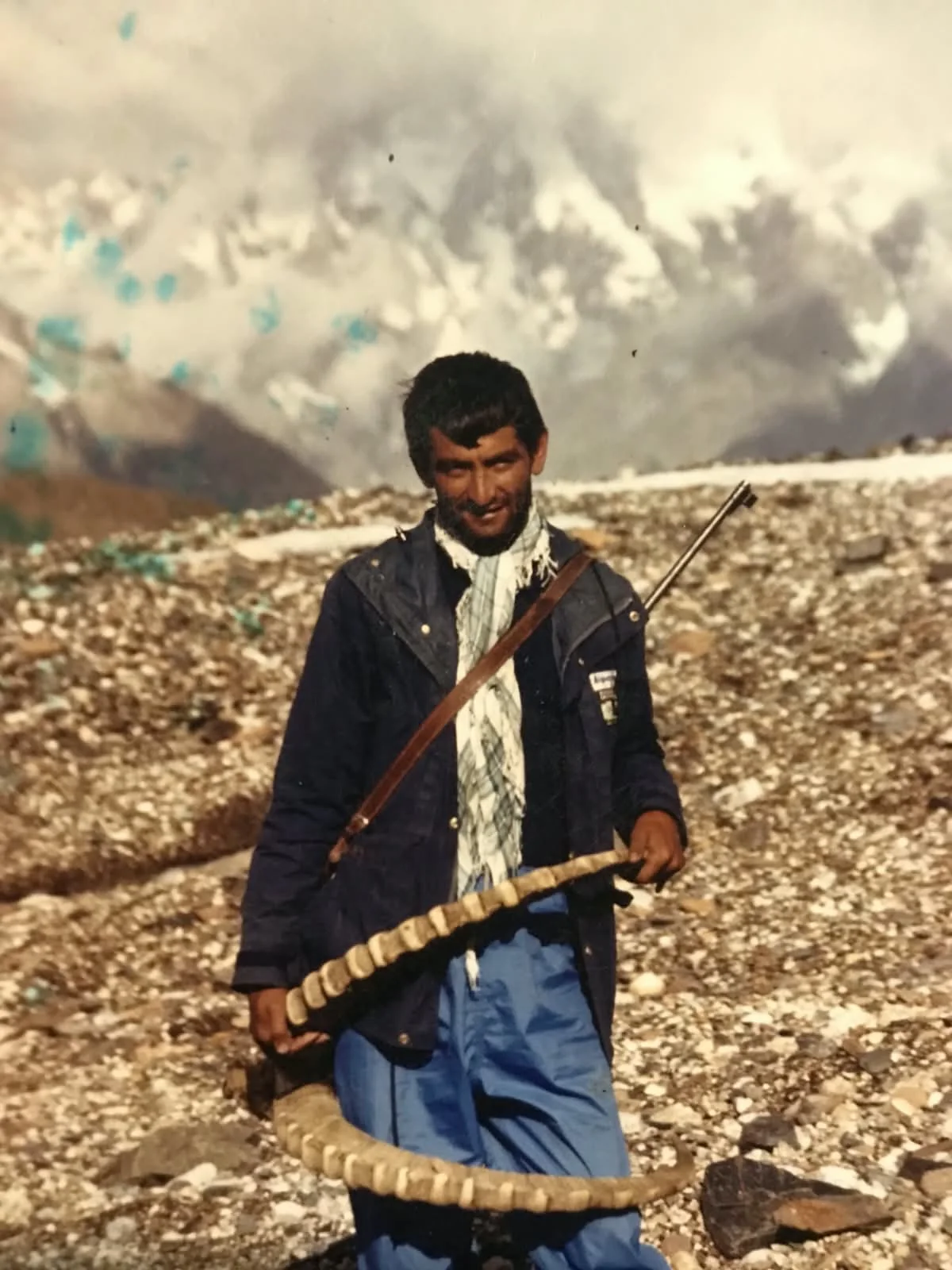
The most widely available Karakoram permit and the usual first hunt in Pakistan. High success rate, genuinely steep winter ground.

The season runs November to March, between 3,500 to 4,600 m, across Nagar, Ghizer, Baltistan and Upper Hunza. Trophy: scimitar horned, 100 to 120 cm typical.

See the hunt
Blue Sheep

Not CITES listed, Shimshal Nature Trust allocation

Blue Sheep

Pseudois nayaur

The highest and most remote of the Pakistani trophies. Camps are three days from the nearest road and conditions are full winter.

The season runs November to January, between 4,200 to 4,900 m, across Shimshal and the Khunjerab fringe. Trophy: short, heavily swept horns, 60 to 75 cm.

See the hunt
Ladakh Urial

CITES Appendix I, strictly limited allocation

Ladakh Urial

Ovis vignei vignei

Lower altitude than the goat species and often combined with ibex in a single trip. Numbers are tightly controlled.

The season runs November to March, between 2,200 to 3,200 m, across Skardu and the Indus valley benches. Trophy: heavy curl with a dark bib on a mature ram, 60 to 80 cm.

Ask about this hunt

What the altitude asks of you

Valley and approach, 2,500 to 3,500 m

Lodge based, jeep supported. Short days on foot. Most reasonably active hunters cope without preparation.

Spike camp, 3,500 to 4,200 m

Eight to ten hours out, much of it glassing in the cold. Expect snow underfoot and no shelter during the day.

Plateau and high stalk, 4,200 to 5,000 m

Sustained effort at altitude, loaded packs on steep ground, camps that stay below freezing all day. Interview required before we accept a booking.

What to bring

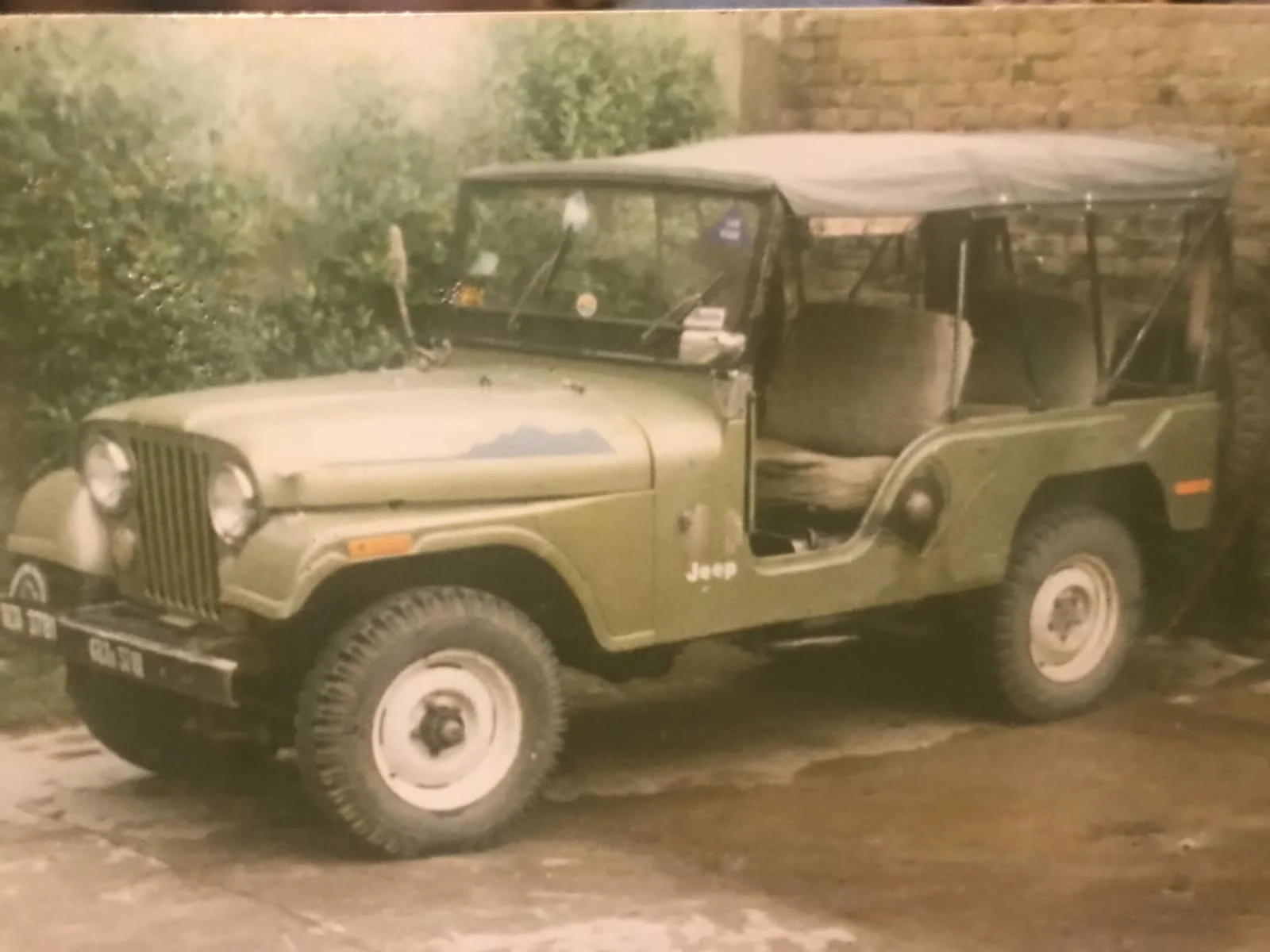
An early Willys jeep on a mountain track

A rifle in the .270 to .300 magnum class with a quality variable scope and 60 rounds. We handle the import permit in advance, so do not travel with it until we confirm the paperwork has cleared.

Dress for minus 25 C: layered insulation with a down parka and salopettes, stiff soled insulated boots broken in well before you arrive, gaiters, crampons and trekking poles.

Binoculars at 10x42 or better and a spotting scope if you have one, two pairs of glacier glasses plus goggles, and your own medication, including any altitude prophylaxis your doctor advises.