Skip to content
WILD KARAKORAM
Blue Sheep
← All expeditions
Trophy HuntPioneer routeShimshal and Khunjerab fringe

Blue Sheep

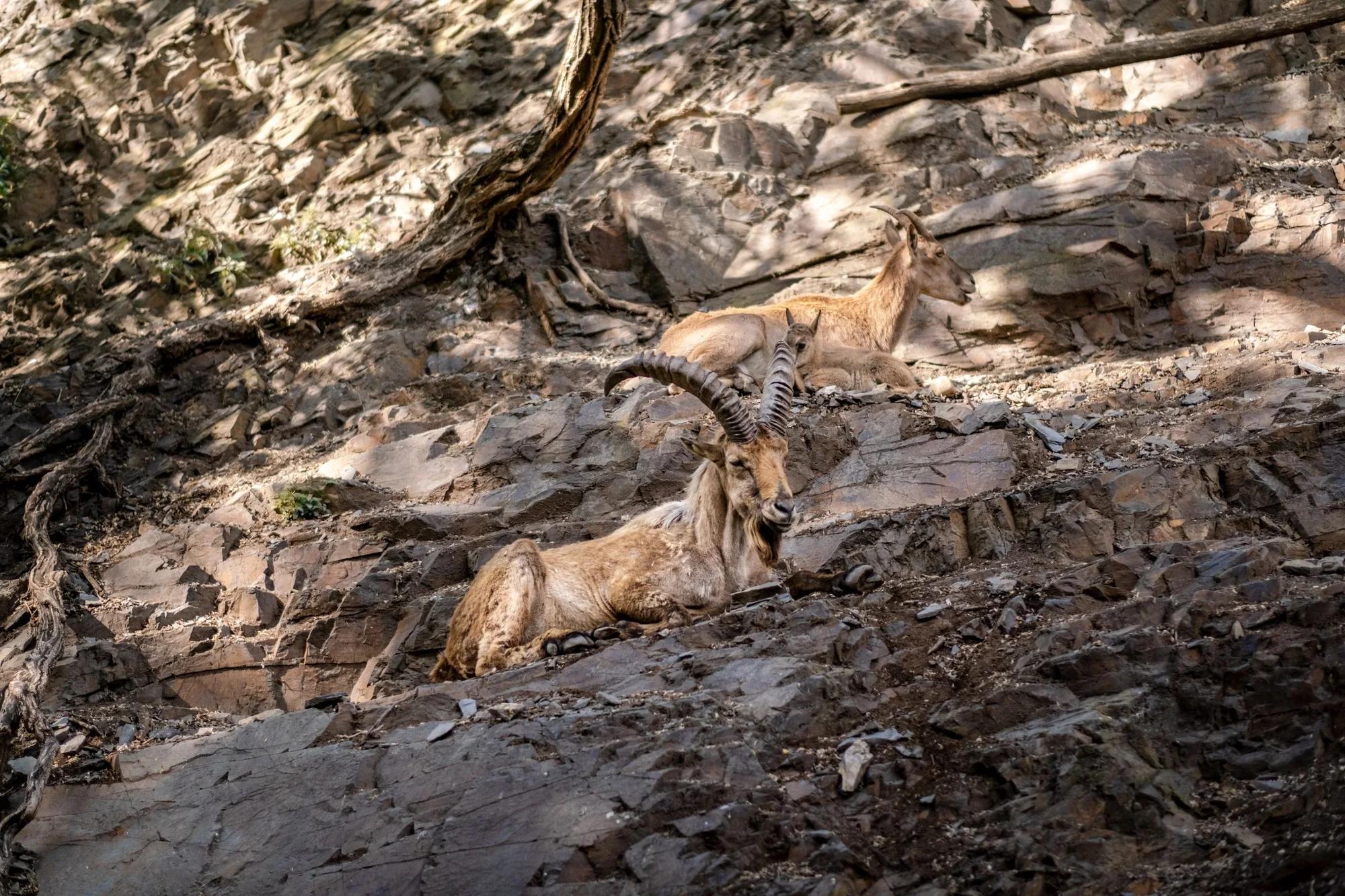
Bharal on the Pamir fringe above 4,500 metres, the hardest permit in the country to fill and the most remote camp we run.

14 days from Islamabad, 9 of them on foot, reaching 4,900 m. November to January, in groups of 1 hunter. Graded extreme.

Blue sheep occupy the highest and coldest ground of any Pakistani trophy species, on the plateau country beyond Shimshal. Very few permits are issued. Hunters need to be genuinely fit, comfortable at altitude and prepared for a camp that is three days from the nearest road.

Day by day

  1. 1

    Islamabad

    You arrive in Islamabad, where the team meets you and handles rifle clearance and the permit documents. The evening is spent on a briefing about the remote plateau camp and the conservancy programme with the Shimshal Nature Trust.

    Night at Hotel, 540 m.

  2. 2

    Drive to Hunza

    You drive north along the Karakoram Highway to Karimabad in Hunza, a long scenic day through the Indus gorge with snow on the peaks. Karimabad sits under Rakaposhi and Baltit Fort, and the winter views are crisp and clear. The evening is quiet and comfortable before the remote section begins.

    Night at Hotel, 2,450 m.

  3. 3

    Shimshal

    The Shimshal road winds up the gorge to the village at 3,100 metres, where you are welcomed by the community and the Nature Trust. You meet the crew who will join you on the plateau, many of them experienced mountaineers. The evening is a briefing in the village and a warm meal with your hosts.

    Night at Shimshal, 3,100 m.

  4. 4

    Zardgarbin

    You walk out from Shimshal with the yaks carrying the camp, following the herders' trail along the gorge. The trail is a quiet winter route with the river far below and the cliffs above. Zardgarbin camp is cosy, with a fire and hot food.

    6 hours on foot. Night at Zardgarbin, 3,700 m.

  5. 5

    Shuijerab

    The route climbs to the high shelf above the river and the winter pastures at Shuijerab. The air is cold and clear, and the views over the snowy ranges are exceptional. The crew pitch the camp with great efficiency and the evening is warm in the tents.

    7 hours on foot. Night at Shuijerab, 4,400 m.

  6. 6

    Establish hunting camp

    You push on to the plateau camp at 4,600 metres, in the high country beyond the herders' pastures. The first evening is spent on the spotting scopes, learning the ground with the Shimshali crew. The sense of being far from anywhere is very strong.

    5 hours on foot. Night at Plateau camp, 4,600 m.

  7. 7

    Hunt day

    High point

    A long day of glassing from the ridge, with the Shimshali trackers scanning the wide plateau for bharal. The animals blend into the rock and the crew find them with extraordinary skill. The light on the snow and the sky are spectacular.

    10 hours on foot. Night at Plateau camp, 4,900 m.

  8. 8

    Hunt day

    High point

    The group continues with the same patient routine of glassing, moving and waiting, with the trackers choosing each position with care. The plateau is quiet and the wind carries the sound of the high country. Evenings in camp are warm, with a good meal and tea.

    10 hours on foot. Night at Plateau camp, 4,900 m.

  9. 9

    Hunt day

    Another day on the high ground, with the crew adjusting to the weather and the movements of the herds. Snow leopard tracks are sometimes found in the snow, a reminder of the wild nature of the area. The team works together with calm focus.

    10 hours on foot. Night at Plateau camp, 4,800 m.

  10. 10

    Hunt day

    The hunt continues across the plateau, with long views toward the Pamir and the Chinese border. The guides know the landscape from years of herding and conservation work. The cold, clear air and the stars at night are unforgettable.

    10 hours on foot. Night at Plateau camp, 4,800 m.

  11. 11

    Hunt day

    The final allocated day on the plateau, with the same care and respect for the permit and the conservancy rules. The Nature Trust sets clear limits and the crew honour them fully. Whatever the result, the days on the high plateau are a rare privilege.

    10 hours on foot. Night at Plateau camp, 4,700 m.

  12. 12

    Walk out to Shimshal

    You break camp and walk out toward Shimshal, with the yaks carrying the load, covering the distance in two long stages compressed where conditions allow. The wildlife officer records the trophy as the permit requires. The village welcomes the group with a hot meal and warm hospitality.

    9 hours on foot. Night at Shimshal, 3,100 m.

  13. 13

    Shimshal to Islamabad

    You leave Shimshal by jeep and drive the Karakoram Highway south to Islamabad, with the export paperwork lodged on arrival. The mountains of Hunza pass by in winter light, a scenic farewell to the north. The evening is a relaxed dinner in the capital.

    Night at Hotel, 540 m.

  14. 14

    Departure

    After breakfast the team transfers you to the airport for your flight home. The conservancy fees you paid continue to support the Shimshal community and the Nature Trust.

    540 m.

Questions people ask

When is the best time to go on Blue Sheep?
November to January is the hunting season for Blue Sheep. Winter snow brings the animals down to lower slopes, and the conservancy permit is valid for these months.
How hard is Blue Sheep?
It is graded Extreme, reaching 4,900 m with 9 days on foot. Winter conditions, 10 hour days above 4,000 m, remote camps. Interview required before booking.
Where does Blue Sheep start?
Blue Sheep starts in Islamabad and runs 14 days in total. The last day ends in Islamabad for your flight home.
What is included in the price?
The price covers permit and Shimshal Nature Trust conservancy fees; professional hunter and Shimshali high altitude crew; porters, yaks and full remote camp support; and trophy preparation and export documentation. The full list of 5 items is under What we supply on this page.
How much does it cost, and when are the next dates?
Hunts are priced to the species and the season, and the trophy permit is set by the conservancy auction. Send an enquiry for a quote and a guide replies within two working days.