Skip to content
WILD KARAKORAM
The Kalash Valleys
← All expeditions
CulturalChitral and Hunza

The Kalash Valleys

Fifteen days from Swat and the Lowari Tunnel to the Kalash valleys, over Shandur Pass to Gilgit and up the Karakoram Highway to Hunza.

15 days from Islamabad, 0 of them on foot, reaching 4,693 m. June, and a mid December departure for the Choimus festival, in groups of 2 to 14. Graded moderate.

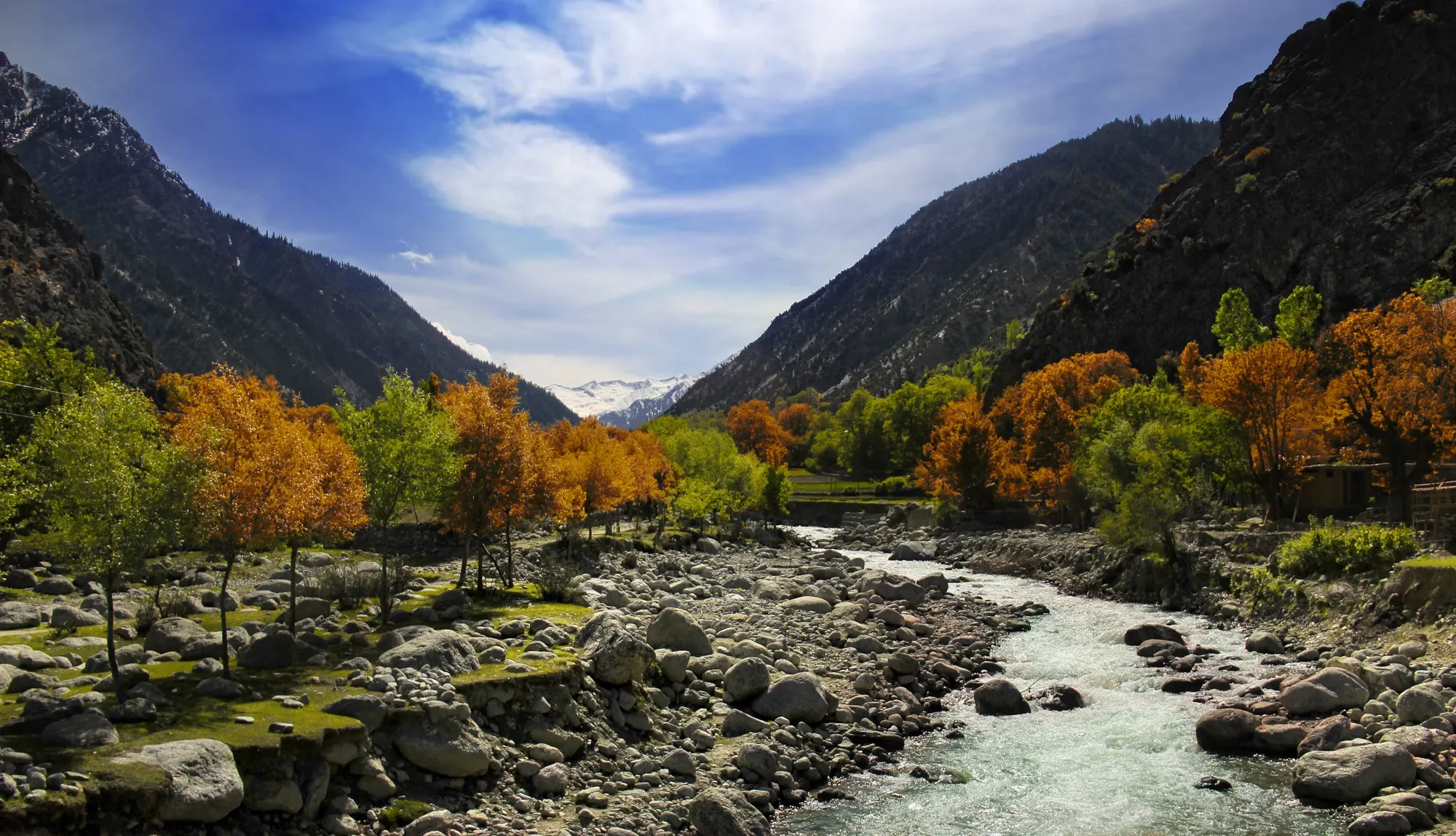
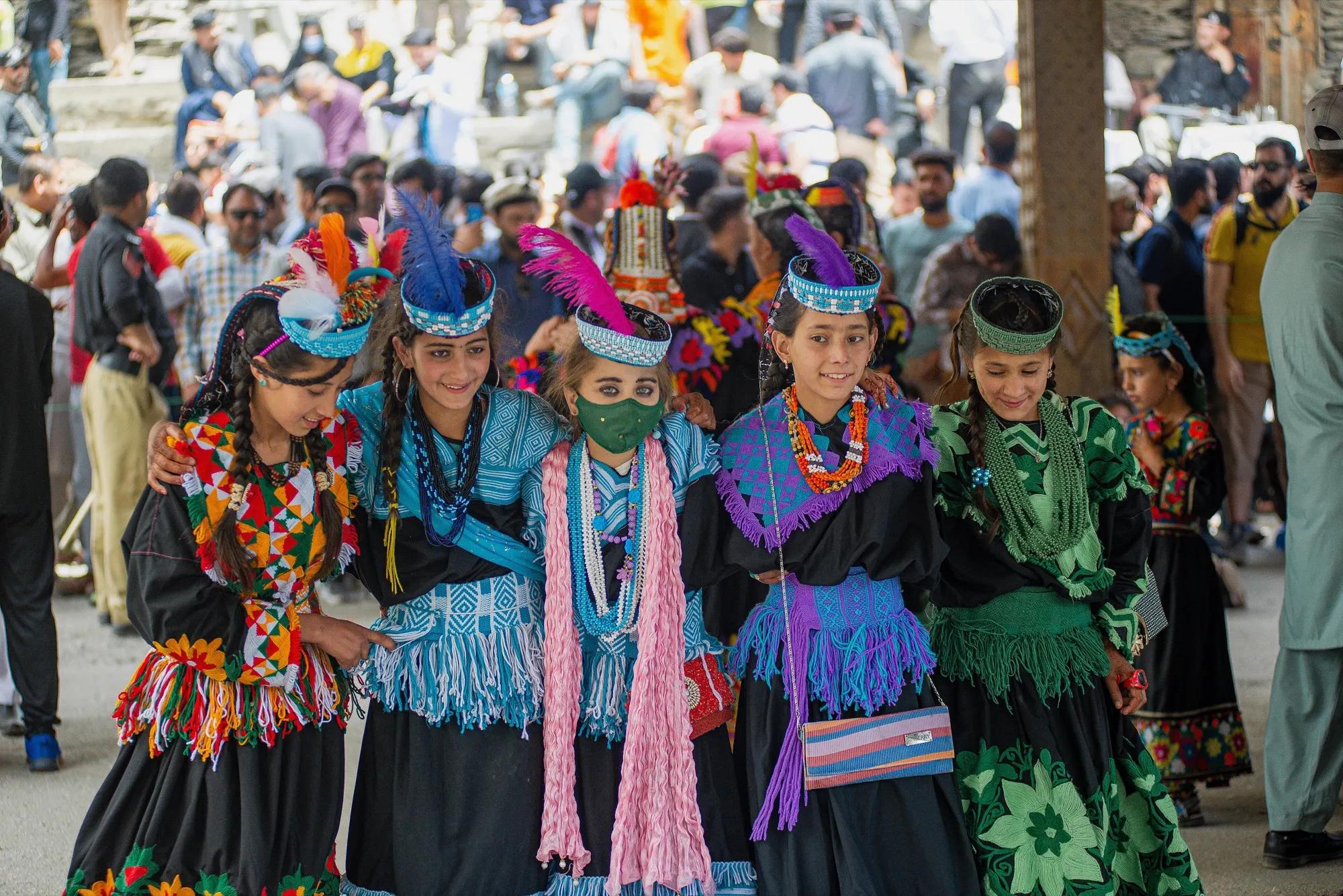
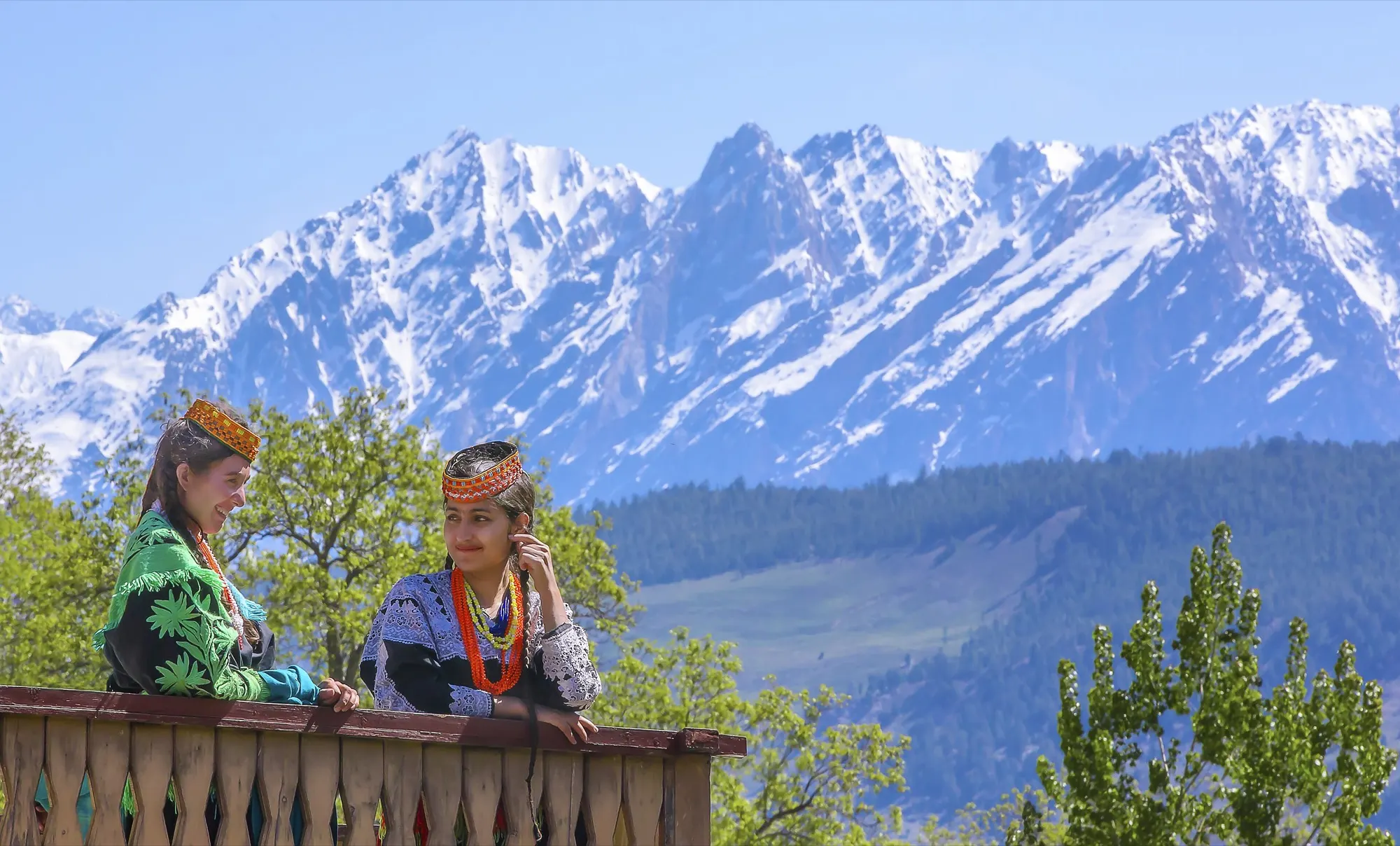
The Kalash live in three small side valleys of Chitral, Bumburet, Rumbur and Birir, and keep their own language, religion, dress and seasonal festivals. This route spends two days among them, then adds Chitral town and its fort, the drive over Shandur Pass, Gilgit, and a full tour of Hunza before the long run south down the Karakoram Highway. The same route is run in mid December for Choimus, the Kalash winter festival, when the valleys are cold and bright and the festival fires burn at night. It is a long, varied journey across the Hindu Kush, Karakoram and Himalaya in one trip.

Day by day

  1. 1

    Arrive Islamabad

    You are met at the airport and taken to rest. For anyone with energy left, the afternoon can take in the Lok Virsa heritage museum, which gathers the crafts and costume of Pakistan's many peoples under one roof, then Faisal Mosque and the Pir Sohawa viewpoint on the Margalla hills for the city lights at dusk. Dinner is a first taste of local cooking.

    Night at Hotel, 540 m.

  2. 2

    Islamabad to Swat

    The motorway north shortens the road to Swat, once a princely state and long before that a centre of Buddhist learning. You stop at the White Palace of the former Wali, the Buddhist ruins scattered along the valley and the busy bazaar of Mingora. The valley is green, fast and full of orchards, and the night is spent in Swat.

    Night at Swat, 975 m.

  3. 3

    Through the Lowari Tunnel to Ayun

    From Swat you climb through Dir and pass under the Hindu Kush in the 10.4 km Lowari Tunnel, which keeps the road to Chitral open all year. On the far side the landscape turns drier and more open. You settle at Ayun, the village at the mouth of the Kalash valleys, with its terraced fields and cool river air.

    Night at Ayun, 1,050 m.

  4. 4

    Rumbur and Bumburet, with the Kalash

    You drive into the Kalash valleys and spend the day in Rumbur, one of the three Kalash valleys, meeting families, seeing the wooden houses, and learning about the ritual year of the Kalasha. The evening is spent in Bumburet by a bonfire, with singing and dancing that visitors are welcome to join.

    Night at Bumburet, 1,100 m.

  5. 5

    Bumburet valley

    You walk Bumburet in the morning, with the small museum, the Kalasha graveyard where the dead are laid in carved wooden coffins above ground, and the village centre. There is time to talk, take photographs and dance with Kalash families. In the afternoon you drive back to Chitral to sleep beside the river.

    Night at Chitral, 1,100 m.

  6. 6

    Chitral town

    A slow day in Chitral. You visit the fort, the old seat of the Mehtars of Chitral, and the Shahi Mosque in its shadow, then walk the bazaar for woollen pakols, dried fruit and handwork. A drive up to Birmoghlasht gives a long view over the valley, and the slopes around are markhor country. Tirich Mir stands white on the northern horizon.

    Night at Chitral, 1,494 m.

  7. 7

    Chitral to Mastuj

    The road follows the Chitral river up through gorges and green village pockets, with polo fields, walnut trees and stone watchtowers along the way. Mastuj is the main settlement of the upper valley, close to the Yarkhun and the passes toward Gilgit-Baltistan. You walk through the village in the evening and meet the people who live here.

    Night at Mastuj, 2,359 m.

  8. 8

    Over Shandur Pass to Gupis

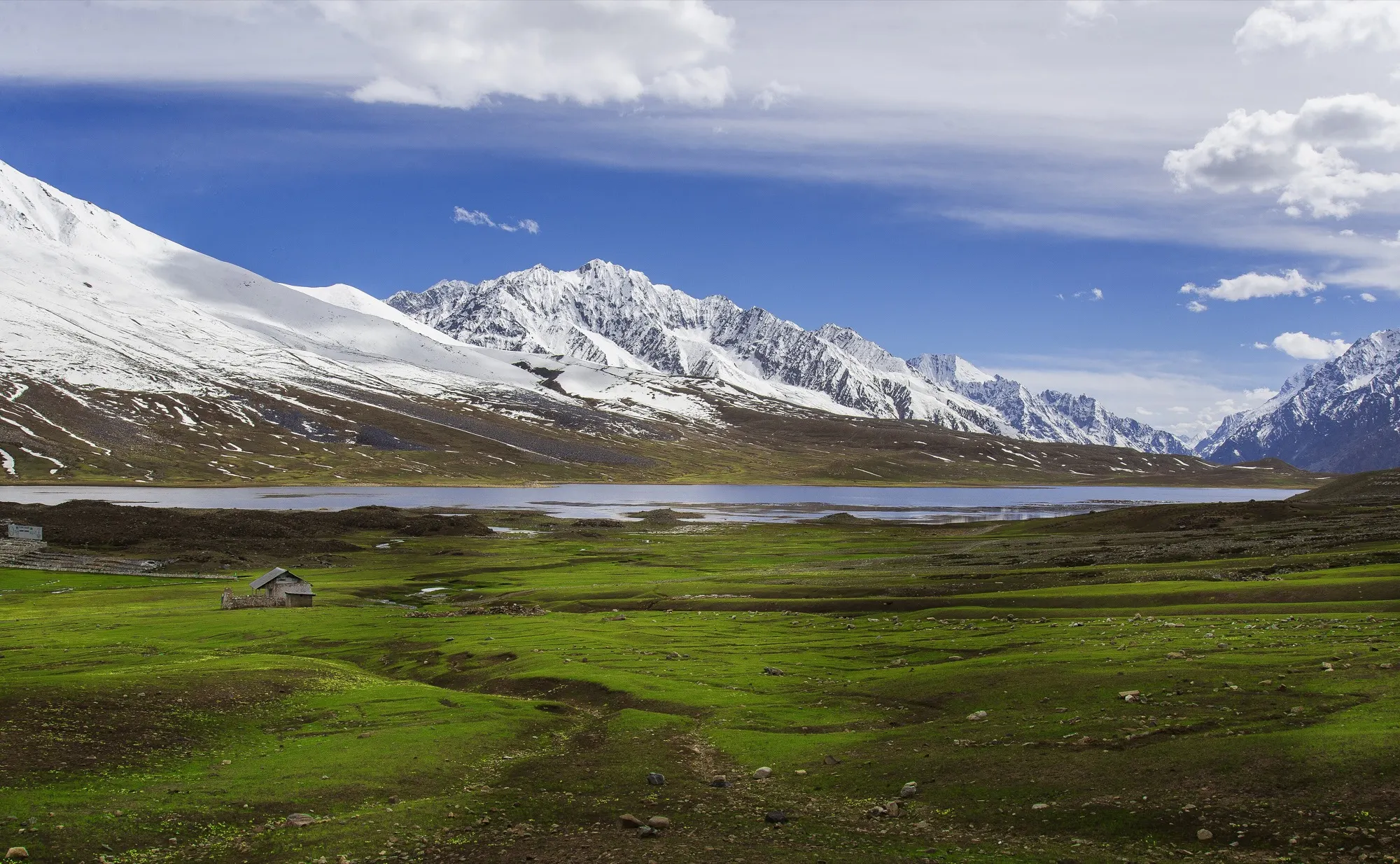
    You climb through the villages of Laspur to Shandur, where the high plateau opens around a still lake and the highest polo ground in the world. The pass is wide and green in summer, and the stop is long enough to walk to the water. From there the road drops into Ghizer, past mountain lakes and forest, to Gupis, also called Khalti.

    Night at Gupis, 2,217 m.

  9. 9

    Gupis to Gilgit

    A day down the Ghizer valley into Gilgit, the capital of Gilgit-Baltistan. In the afternoon you walk to the seventh century Buddha carved into the rock face at Kargah Nala, then through Gilgit bazaar, where a plate of mantu dumplings is the right way to end the day.

    Night at Gilgit, 1,500 m.

  10. 10

    Gilgit to Karimabad

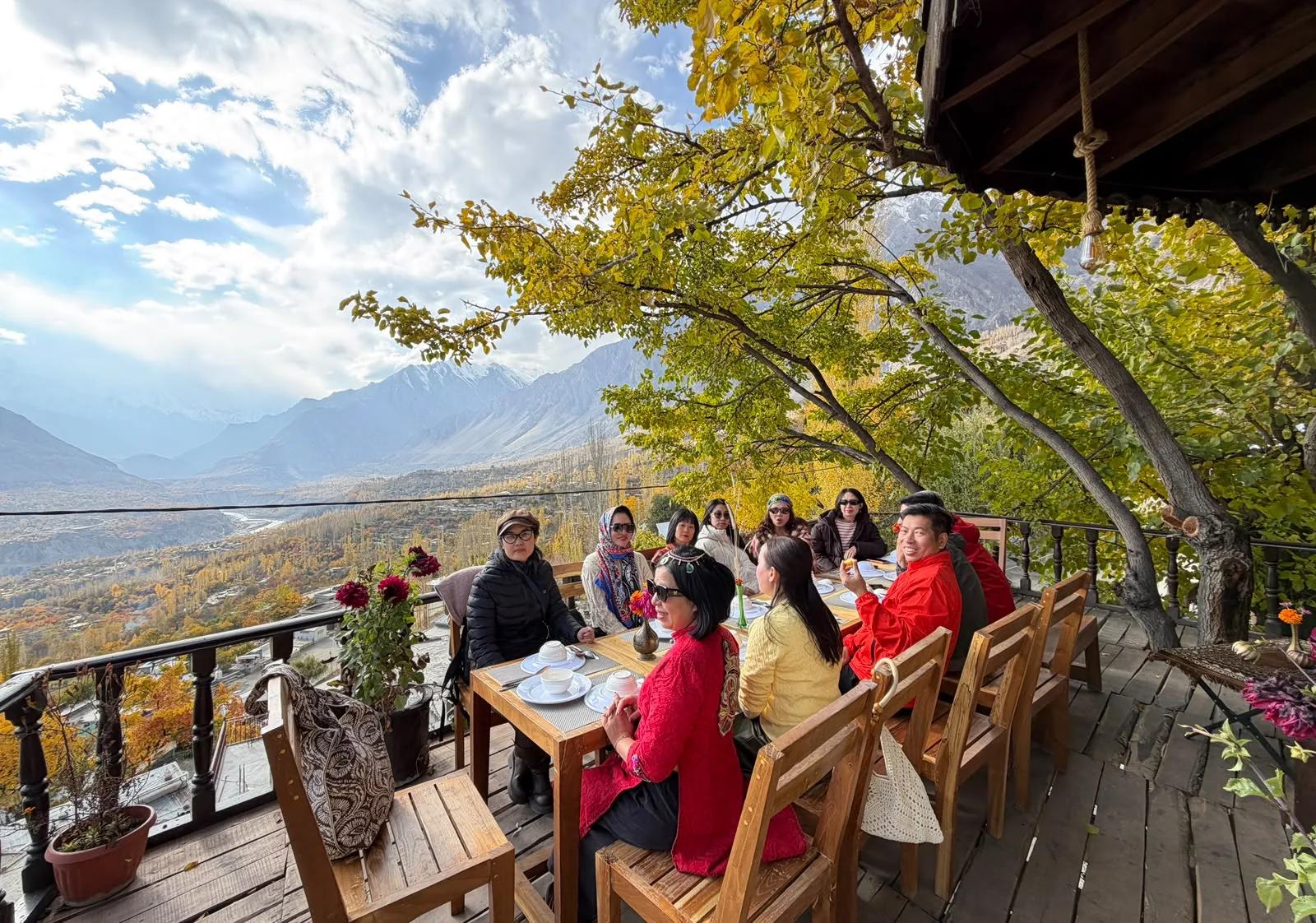
    The Karakoram Highway runs north beside the Hunza river on the old Silk Road, past the confluence of three great ranges, with Rakaposhi and the Nagar peaks across the water. By evening you reach Karimabad, the Hunza capital, with Baltit Fort above the terraces and Ultar Sar and Rakaposhi filling the sky.

    Night at Karimabad, 2,500 m.

  11. 11

    Upper Hunza and Attabad Lake

    High point

    North through Aliabad and Ganish village, where the old watchtowers still stand, to Attabad Lake, a long turquoise stretch of water that you cross by boat. The road continues past Gulmit through the Pak-China Friendship Tunnels and into Khunjerab National Park country at Dhe, with marmots on the grass beside the road. You sleep in Passu.

    Night at Passu, 2,700 m.

  12. 12

    Passu and Borith Lake

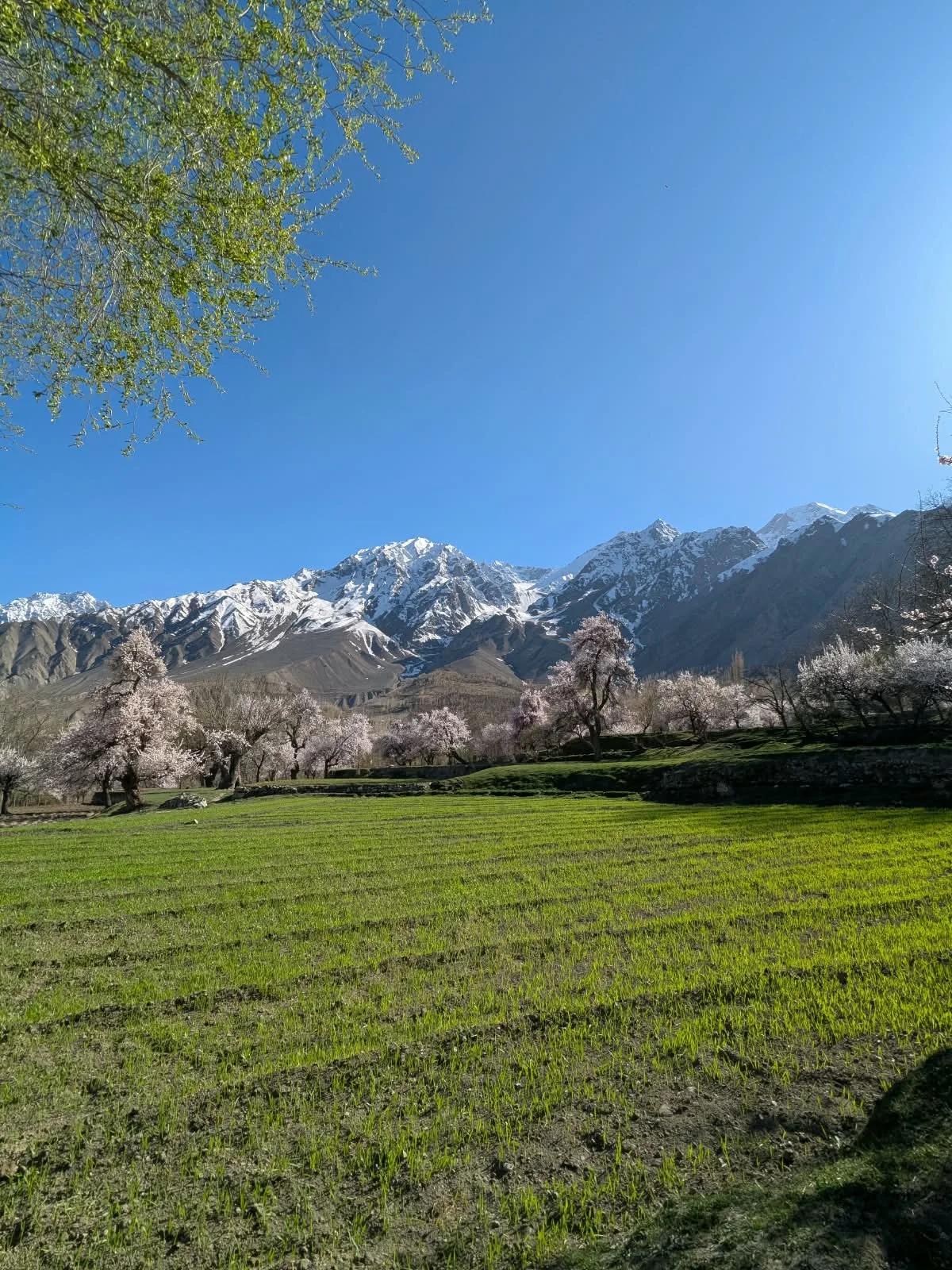
    A walking day among the Wakhi people of Passu. You see the fields and the stone houses, take tea in a family home, walk out to Borith Lake and cross the swaying Hussaini suspension bridge with the Passu Cones and Batura Glacier in front of you. The rest of the day is yours, with apricots and walnuts to taste in season.

    Night at Passu, 2,500 m.

  13. 13

    Hunza to Naran or Besham

    The long drive south follows the Indus through Chilas and Dassu, with the rock carvings of the old caravan route at Chilas and a view of Nanga Parbat at Raikot. When the Babusar Pass (4,173 m) is open you can return by the Naran and Kaghan road instead, over the pass and down through the pine forests of the Kaghan valley. The night is in Naran or Besham.

    Night at Naran or Besham, 2,409 m.

  14. 14

    Taxila and Islamabad

    On the way into Islamabad you stop at Taxila, with its museum and the Buddhist monasteries and stupas of the ancient Gandhara civilisation. A short drive later you are back in Islamabad for a farewell dinner with the group, looking back over the road.

    Night at Hotel, 540 m.

  15. 15

    Departure

    You are taken to the airport in time for your flight home, with the valleys of the north still fresh in the mind.

    540 m.

Questions people ask

When is the best time to go on The Kalash Valleys?
June is the main season for The Kalash Valleys, with a second departure in mid December for the Choimus winter festival.
How hard is The Kalash Valleys?
It is graded Moderate, reaching 4,693 m. Up to 6 hours walking. No technical ground. Suitable with regular hill fitness.
Where does The Kalash Valleys start?
The Kalash Valleys starts in Islamabad and runs 15 days in total. The last day ends in Islamabad for your flight home.
What is included in the price?
The price covers airport pickup and drop in Islamabad; private vehicle and driver for the full route, including the Lowari Tunnel and Shandur crossing; local English speaking guide throughout; and accommodation in guesthouses and standard hotels, twin sharing. The full list of 6 items is under What we supply on this page.
How much does it cost, and when are the next dates?
Prices start at US$1,690 per person on the fixed departures. The next one runs 15 Dec to 29 Dec 2026. 2 dates are open in total.