1
Islamabad
You arrive in Islamabad, where the team meets you and handles rifle clearance and the permit documents. The evening is a relaxed dinner and a briefing on the conservancy programme and the plan for the days ahead.
Night at Hotel, 540 m.
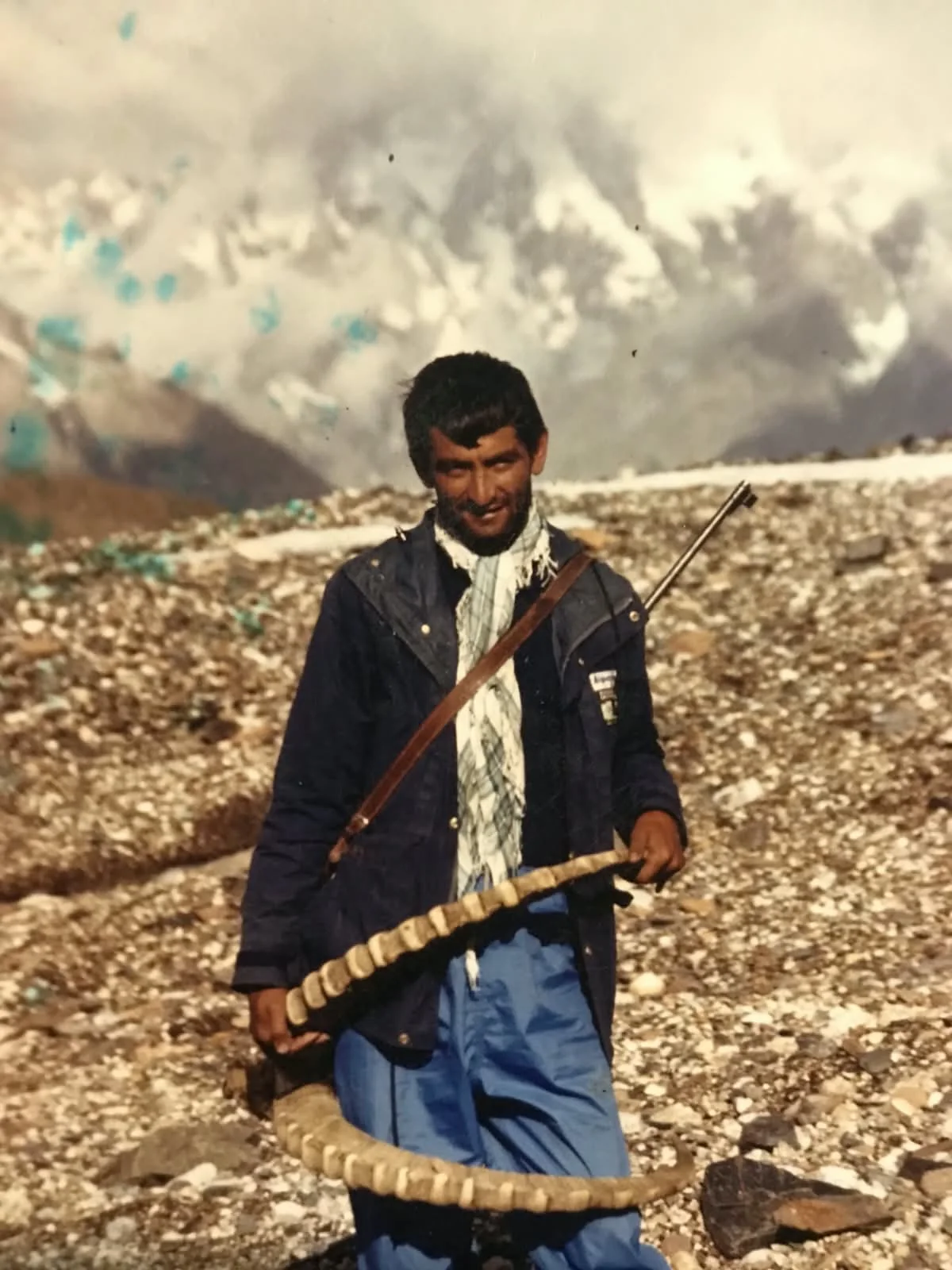
The most available of the Karakoram trophies and the best introduction to high altitude winter hunting in Pakistan.
12 days from Islamabad, 6 of them on foot, reaching 4,600 m. November to March, in groups of 1 to 2 hunters. Graded severe.
Ibex permits are issued across several Gilgit-Baltistan conservancies each winter and the success rate is high. Animals are found between 3,500 and 4,600 metres. Expect snow, long glassing sessions and steep ground, but a more forgiving schedule than markhor.
1
You arrive in Islamabad, where the team meets you and handles rifle clearance and the permit documents. The evening is a relaxed dinner and a briefing on the conservancy programme and the plan for the days ahead.
Night at Hotel, 540 m.
2
You travel to Gilgit by air when the winter weather allows, or by the Karakoram Highway, which is the dependable and scenic option in winter. The road follows the Indus through mountains dusted with snow. Gilgit is a friendly town with warm tea and a good dinner waiting.
Night at Hotel, 1,500 m.
3
A jeep takes you to the conservancy area, up a side valley with terraces, frozen streams and village houses with smoke rising. You meet the community team and the wildlife staff at the lodge for a briefing on the area and the animals. The valley is quiet and the winter light is clear.
Night at Lodge, 2,800 m.
4
You zero the rifles on the range, then climb to the spike camp in the afternoon with the local trackers. The first evening is spent on the spotting scopes, learning how the guides read the hillside. The camp is warm and well equipped, with hot food in the cold air.
6 hours on foot. Night at Spike camp, 3,200 m.
5
A day on the slopes with the trackers, glassing carefully for ibex and moving through the rocks at their pace. The animals are well camouflaged and the guides find them with skill. The views over the frozen valley and the peaks beyond are superb.
10 hours on foot. Night at Spike camp, 4,000 m.
6
The group climbs higher, with the trackers leading across steep ground toward 4,300 metres. Ibex move across the cliffs with remarkable ease, and watching them is a pleasure. The day is long and the mountain scenery is outstanding.
10 hours on foot. Night at Spike camp, 4,300 m.
7
The highest day of the trip, near 4,600 metres, with wide views over the snow peaks of the Karakoram. The trackers know the habits of the herds and choose the ground carefully. Evenings back at camp are warm, with tea and hot food.
10 hours on foot. Night at Spike camp, 4,600 m.
8
Another day on the hill, following the same patient routine of glassing and walking, with the trackers adjusting to the weather. The landscape is quiet and open and the snow gives the air a clean feel. Wildlife such as snow partridge and golden eagle are often seen.
10 hours on foot. Night at Spike camp, 4,300 m.
9
The final allocated day on the mountain, with the same care and respect for the conservancy rules. The permit sets a clear limit and the local team honours it fully. Whatever the result, the days among the ibex country have been something special.
10 hours on foot. Night at Spike camp, 4,000 m.
10
The group returns to the lodge, where the wildlife officer measures and records the trophy as the permit requires. The community team prepares it with care. In the evening there is a warm meal and a chance to thank the trackers and the conservancy.
Night at Lodge, 2,800 m.
11
You travel back to Islamabad by road or by air, with the export paperwork lodged on arrival. The road is a scenic one through the Indus gorge in winter light. The evening is a relaxed farewell dinner.
Night at Hotel, 540 m.
12
After breakfast the team transfers you to the airport for your flight home. The conservancy fees you paid continue to support the community and the protection of the herds.
540 m.