
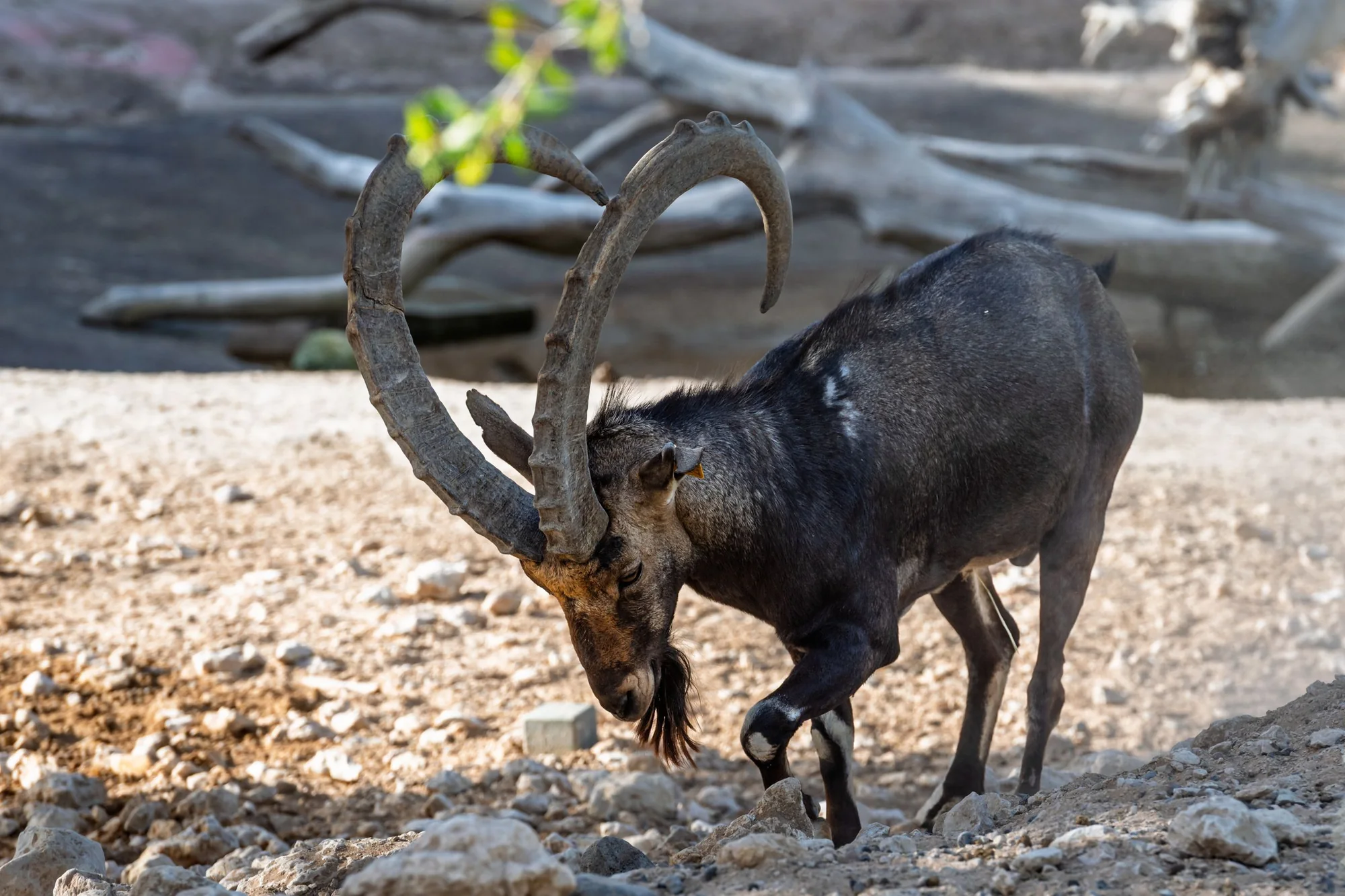
Quota set by survey, permit sold at auction, eighty per cent of the fee to the village. Why the most criticised idea in Pakistani conservation is also the one that worked.
Trophy hunting is the part of our work that people ask about with the most suspicion, which is fair. It is also the part with the clearest evidence behind it, so it is worth setting out how the mechanism actually runs.
The quota comes from a count
Each conservancy is surveyed, and the following season's quota is set against that population. A declining count means a smaller quota or none. The number of permits is a consequence of the survey rather than of demand, which is the part that makes the rest of it work.
The permit goes to auction
Permits are auctioned by the Gilgit-Baltistan Wildlife Department. There is no route to a trophy animal outside that process, and any operator suggesting otherwise is describing poaching. We will not pretend there is a shortcut, and there is no point asking us for one.
Where the money goes
Eighty per cent of the permit fee is paid directly to the community conservancy. The remaining twenty goes to the provincial wildlife fund.
The village share funds watchers, school and clinic costs, and compensation when a snow leopard or wolf takes livestock. That last item is the quiet one and possibly the most important: it converts a predator from a loss into something the village can afford to tolerate.
Why it changed the outcome
Before the conservancies, a markhor on a village's ground was worth nothing to that village and was competing with its goats. After, it was an asset the village had a direct financial reason to protect and to count honestly. The population recovered on the back of that single change in incentive.
The animal stopped being a liability to the people living alongside it. Everything else followed from that.
What a client leaves with
- A measured trophy recorded by the wildlife officer who attends.
- A veterinary health certificate.
- CITES export documentation where the species requires it.
- Paperwork lodged before you fly, and shipping once it clears.
It is Pakistan's national animal, and its recovery is the strongest argument this programme has. It is why we work inside it rather than around it.
Questions this does not answer are the ones worth sending. A guide reads every enquiry and replies inside two working days.
Start an enquiry